
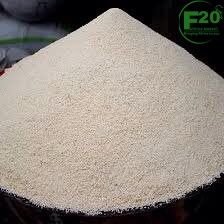
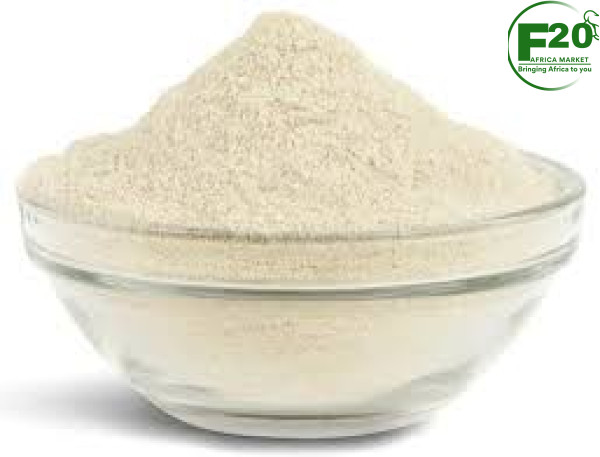
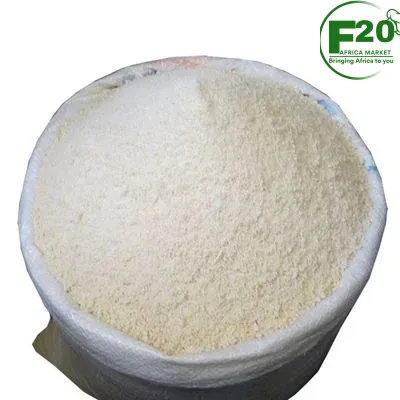
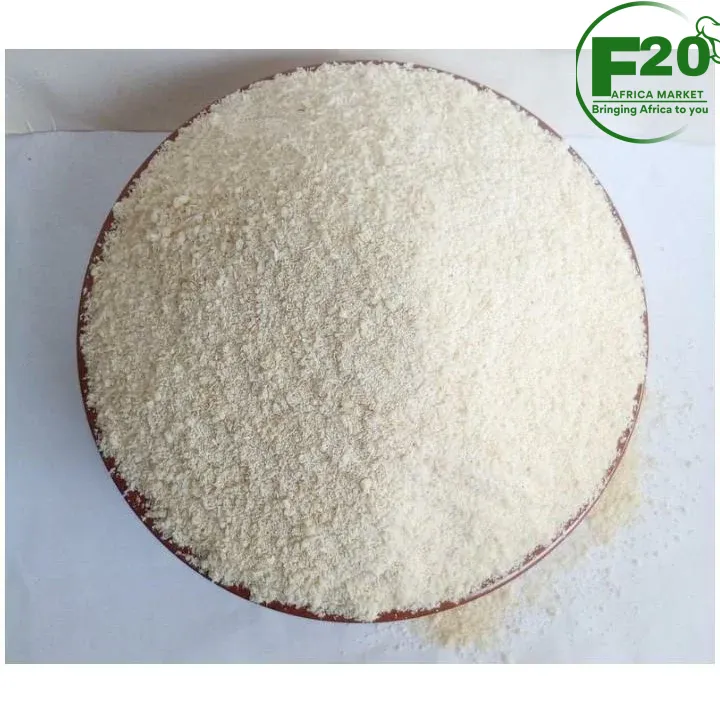
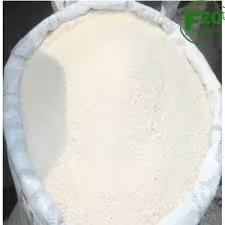
Cameroonian white garri, also known as gari in Anglophone regions and tapioca in Francophone regions, is a popular staple food made from cassava. Its history is tied to the introduction of cassava to West Africa in the 16th century by Portuguese traders. Over time, local communities developed methods for processing cassava, leading to garri, a dried and fermented product.
White garri, specifically, is produced without the addition of palm oil during the frying process, resulting in a slightly sour or sharper taste compared to yellow garri.
Key points about Cameroonian white garri:
Fermentation:
Garri is made by fermenting the cassava mash, which gives it a slightly sour taste.
Production:
Garri production is widespread in Cameroon, with the North-West, South-West, and Littoral regions being major producers.
Consumption:
Garri is a staple food, especially among people with lower socio-economic status, due to its affordability and ease of preparation.
Quality:
Consumer preferences and quality expectations for garri vary, influencing the breeding of cassava varieties and processing practices.
Texture:
The texture is granular, with a slightly crunchy feel when eaten dry or soaked.
Flavor:
White gari has a slightly sour and nutty flavor.
Nutritional Value:
White gari is a good source of carbohydrates and fiber.
Storage:
It stores well for months in a cool, dry place

Reviews
There are no reviews yet.