
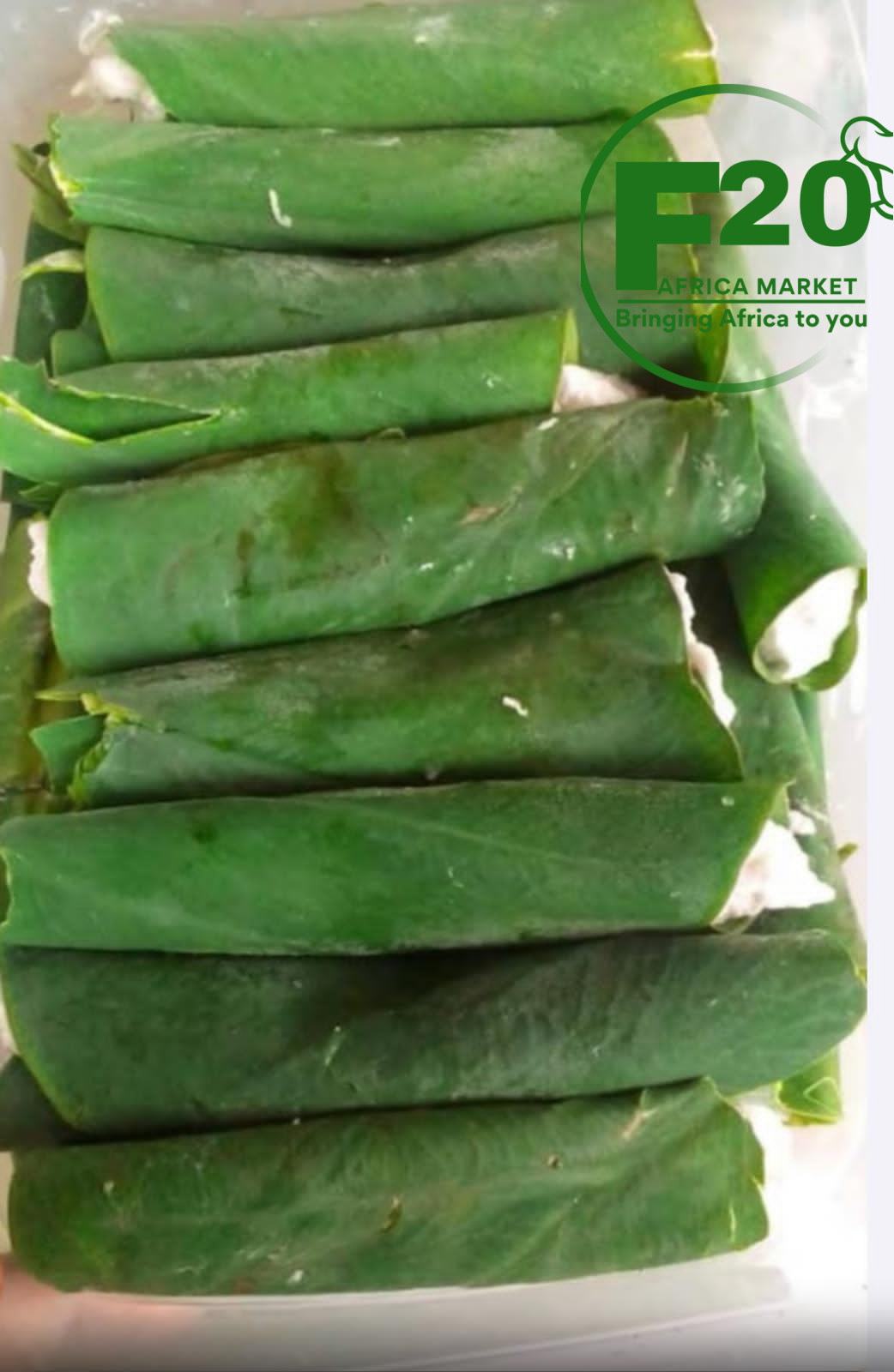
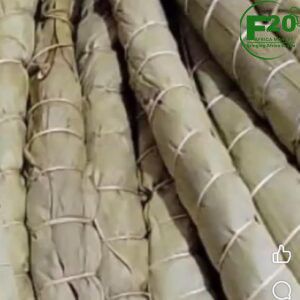
Ekwang, also known as Ekpang Nkukwo, is a traditional Cameroonian and Nigerian dish made from freshly grated cocoyams (taro) wrapped in < cocoyam leaves and simmered with palm oil, crayfish, < various meats, fish, and ethnic spices. It is a popular delicacy from the Bakweri, Bafaw, and Oroko people of Cameroon, as well as communities in Nigeria’s Cross River and Akwa Ibom States.
Key Characteristics
-
Main Ingredient:Freshly grated cocoyam (taro), which is a type of root vegetable.
-
Wrapper:Cocoyam leaves are traditionally used to wrap the grated cocoyam, though other green leafy vegetables can also be used.
-
Flavor Profile:A combination of rich savory flavors from the palm oil, crayfish, meats, and fish, with the added earthy taste of the cocoyam.
-
Preparation Method:The grated cocoyams are wrapped in the leaves and then cooked in a pot with palm oil, water, and other ingredients.
-
Texture:The cocoyam mixture should have a moist and soft texture, achieved by adding the right amount of water during cooking.
Cultural Significance
- Ekwang is a well-known and cherished dish among the communities of its origin, representing a traditional culinary practice.
- It is often served hot and is a satisfying and flavorful meal.
How it’s Cooked
- Prepare the Cocoyam: Cocoyam is peeled, washed, and grated.
- Make the Parcels: Small portions of the grated cocoyam are placed inside cocoyam leaves and wrapped.
- Layer in the Pot: The parcels are placed in a pot.
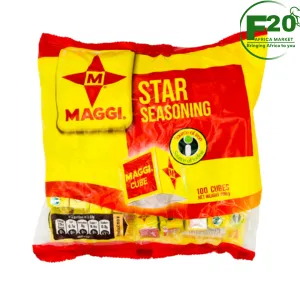
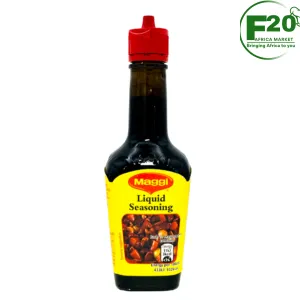
- Add Flavorings: Palm oil, crayfish, ground country onions, and other spices are added.
- Simmer: Water is added to the pot, and the dish is cooked until the cocoyam is no longer white in the middle, indicating it is done.
- Stirring Method: The pot should be shaken rather than stirred during cooking to prevent the dish from becoming mushy.

Reviews
There are no reviews yet.